Thursday, September 10, 2026

Motorcycle Key Replacement Edmonton A Complete Guide for Lost, Broken and Smart Keys

Losing a motorcycle key can quickly turn a normal ride into an unexpected problem. Keys can be misplaced, damaged, bent, broken inside the ignition, or fail to work with a modern immobiliser system. When this happens, understanding your options for motorcycle key replacement in Edmonton can help you avoid unnecessary delays, damage, and expense.

Motorcycle keys are not always as simple as they look. Older bikes may use conventional mechanical keys, while newer models can have transponder chips, coded keys, remote fobs, or proximity technology. The correct replacement method depends on the motorcycle, key type, ignition system, and whether electronic programming is required.

motorcycle key replacement Edmonton

This guide explains what to do when you lose or damage your motorcycle key, how replacement generally works, what can affect the cost, and how to avoid common mistakes.

Why Motorcycle Keys Need More Than a Simple Copy?

A motorcycle key may look like an ordinary metal key, but it can be part of the bike's wider security system.

Traditional keys work through their physical cuts. These cuts interact with components inside the ignition or lock. A replacement therefore needs the correct key profile and cutting pattern.

Modern motorcycles may use additional electronic security. A transponder chip, immobiliser, smart key, or remote fob may need to communicate with the motorcycle before it will start.

Depending on the model, key replacement may involve:

  • Identifying the motorcycle make, model, and year
  • Determining the correct key profile
  • Cutting the mechanical key
  • Checking for a transponder chip
  • Programming an electronic key when required
  • Testing the key in the ignition
  • Confirming that the motorcycle recognises the replacement

Because motorcycle systems vary, a replacement should be based on the specific bike rather than a generic key-cutting method.

What Should You Do If You Lose Your Motorcycle Key?

The first thing to do is stay calm and avoid forcing the motorcycle's ignition.

Check the places where the key may have been left, including your riding jacket, trousers, backpack, motorcycle storage compartment, workplace, parking area, or recent stops. If you have a spare key, the immediate problem may be solved.

If every key has been lost, gather as much information about the motorcycle as possible. The make, model, and year can help identify the correct key system. Vehicle identification information and ownership documentation may also be useful.

Avoid trying to manipulate the ignition with unsuitable tools or attempting to make a random key work. This can damage the ignition cylinder and create an additional repair requirement.

A Practical Edmonton Example

Imagine arriving at your motorcycle after work and discovering that your key is missing. The motorcycle itself is functioning normally, but you cannot start it.

Instead of repeatedly trying random keys or forcing the ignition, first determine whether a spare exists. If not, provide the motorcycle's details to a qualified professional and explain exactly what happened.

This gives the technician a better understanding of whether you need key duplication, complete key replacement, key programming, or assistance with the ignition.

How Does Motorcycle Key Replacement Work?

The replacement process depends on whether you still have an original key.

When You Still Have a Working Key

Having a working key generally makes duplication more straightforward.

The existing key can be assessed to determine its profile and cutting requirements. If it contains a transponder, the replacement may also require programming.

This is one reason duplicate bike keys can be useful. Creating a spare while the original still works is generally more convenient than waiting until every key has been lost.

Keep the spare somewhere separate from your everyday key. If both keys are stored together, losing one set could mean losing both options.

When Every Key Has Been Lost

Complete key loss can require additional steps.

Depending on the motorcycle, a qualified technician may use available vehicle information, manufacturer details, the lock system, or suitable decoding methods to determine the required key configuration.

If the motorcycle has electronic security, programming may also be necessary.

The key point is that the technician should first identify the motorcycle's security system before deciding how the replacement should be produced.

What If the Motorcycle Key Breaks?

A broken motorcycle key can be particularly inconvenient when part of the blade remains inside the ignition.

Keys can break because of age, repeated stress, bending, corrosion, excessive force, or a worn ignition cylinder. If a key breaks, avoid pushing the remaining section further into the lock.

Using household tools to remove the broken section can potentially damage the ignition.

A professional may be able to extract the broken portion using appropriate equipment. The remaining key may also provide useful information for producing a replacement.

However, it is important to consider why the key broke. If the ignition is worn or binding, installing a new key may not address the underlying problem.

Signs Your Key or Ignition May Be Wearing Out

Watch for warning signs such as:

  • The key feels unusually loose
  • The key needs to be jiggled before turning
  • The blade looks worn or damaged
  • The key occasionally sticks
  • The blade is bent
  • The ignition becomes harder to turn

Addressing these signs early can help prevent a broken-key emergency.

What If Your Motorcycle Key Is Not Working?

A motorcycle key not working does not necessarily mean that the key itself needs replacement.

Start by identifying what happens when you use it.

Does the key enter the ignition normally? Does it turn? Does the motorcycle respond? Does the problem happen every time or only occasionally?

These details can help distinguish a mechanical issue from an electronic one.

If the key does not enter or turn properly, the blade or ignition cylinder could be involved. If the key turns normally but the motorcycle does not recognise it, the immobiliser or transponder system may need attention.

This is particularly important with modern motorcycles. Buying a replacement blade that looks identical may not solve an electronic compatibility problem.

What Types of Motorcycle Keys Can Be Replaced?

Traditional Motorcycle Keys

Conventional motorcycle keys rely primarily on their physical shape and cuts. They are generally associated with older or simpler locking systems.

A suitable replacement blank must be selected and cut accurately.

Transponder Keys

Transponder keys contain an electronic chip that communicates with the motorcycle's immobiliser system.

Cutting the metal blade alone may not be sufficient. The electronic component may need to be programmed to work with the motorcycle.

Smart and Proximity Keys

Some newer motorcycles use smart-key or proximity technology. Instead of inserting a traditional key into the ignition, the rider may carry a fob that communicates wirelessly with the motorcycle.

Replacement can therefore involve additional electronic procedures.

Remote Key Fobs

Some motorcycle systems incorporate remote functions for security or locking. Depending on the model, a replacement remote may require both physical and electronic programming.

What Affects the Cost of Motorcycle Key Replacement?

The cost of motorcycle key replacement can vary considerably between motorcycles.

Several factors can affect the final price.

Key Type

A conventional mechanical key generally involves fewer components than a transponder or smart key.

Motorcycle Make and Model

Different manufacturers use different key profiles, security systems, and programming requirements.

Whether You Have a Spare

Replacing a key from an existing working original can be simpler than producing a replacement after complete key loss.

Programming Requirements

Electronic keys may require additional programming or pairing with the motorcycle.

Emergency Assistance

An urgent roadside situation can involve different service considerations compared with a planned key replacement.

Ignition Condition

If the ignition is damaged, worn, or contains a broken key, additional work may be necessary.

For this reason, it is sensible to ask what the quoted service includes before authorising the work.

Where Can You Get Bike Key Replacement Edmonton Assistance?

When searching for bike key replacement Edmonton, do not base your decision only on the lowest advertised price.

A suitable professional should first understand the motorcycle and the problem.

Useful information includes:

  • Motorcycle make
  • Motorcycle model
  • Model year
  • Key type
  • Whether you have an existing key
  • Whether the key is broken or simply lost
  • Whether the ignition is damaged
  • Whether the motorcycle uses electronic security

A qualified motorcycle locksmith Edmonton provider should be able to explain the likely replacement process and identify whether cutting, extraction, duplication, or programming may be required.

When Should You Contact a Motorcycle Locksmith?

A motorcycle locksmith may be useful when the problem goes beyond ordinary key duplication.

Professional assistance may be appropriate when:

  • All motorcycle keys have been lost
  • A key has broken inside the ignition
  • The key is difficult to turn
  • The ignition is damaged
  • A transponder key requires programming
  • A smart key needs replacement
  • You need a spare key
  • You experience a motorcycle lockout

Avoid applying excessive force to the ignition. Motorcycle security components can be delicate, and unnecessary damage may increase the repair required.

How Can You Prevent a Motorcycle Key Emergency?

Preparation is one of the easiest ways to reduce the inconvenience of losing a motorcycle key.

Keep a spare key in a secure location away from your primary key. If you frequently travel or commute, having a backup can be especially useful.

It is also worth keeping important motorcycle information accessible, including:

  • Make and model
  • Model year
  • Vehicle identification number
  • Key or fob details
  • Manufacturer documentation
  • Ownership documents

For motorcycles with smart keys or transponders, review the manufacturer's documentation so you understand any available backup procedures.

Common Motorcycle Key Replacement Mistakes

Waiting Until the Key Completely Fails

A worn or bent key should not be ignored. Replacing it while it still works can be easier than dealing with a broken key later.

Assuming Every Key Can Be Copied

Modern motorcycle keys may contain electronic components. A physical duplicate does not necessarily mean a fully functional replacement.

Buying an Incompatible Key Blank

A cheap blank may look similar but have the wrong profile or electronic configuration.

Ignoring Intermittent Problems

If your motorcycle sometimes recognises the key and sometimes does not, investigate the problem instead of waiting for complete failure.

Giving Incomplete Information

When requesting assistance, provide the motorcycle make, model, year, and details of the key problem. Clear information can help determine the appropriate equipment and replacement method.

Expert Tips for Motorcycle Owners

A few practical habits can make motorcycle key problems easier to manage.

Keep a spare key. Do this before you lose your only working key.

Never force a difficult key. Increased resistance can indicate a worn key or ignition.

Explain the symptoms. Tell the technician whether the key is lost, broken, bent, stuck, or failing electronically.

Ask about programming. If your motorcycle uses a transponder or smart key, confirm whether programming is required.

Keep ownership documentation available. Security-related services may require proof that you are authorised to access the motorcycle.

Check the ignition as well as the key. A new key will not necessarily fix a worn or damaged ignition cylinder.

Final Thoughts on Motorcycle Key Replacement Edmonton

A motorcycle key may be small, but it plays an important role in both vehicle operation and security. A lost mechanical key, broken blade, damaged ignition, transponder problem, and smart-key failure can require different solutions.

If you are dealing with motorcycle key replacement in Edmonton, start by identifying the motorcycle and understanding exactly what has gone wrong. Avoid forcing the ignition or purchasing an unsuitable replacement simply because it looks similar to the original.

Whether you need a spare, have lost every key, or are dealing with a key that no longer works, accurate information and the correct replacement method can make the process considerably easier.

For riders searching for motorcycle locksmith Edmonton or bike key replacement Edmonton, explaining the key type, motorcycle details, and symptoms clearly is a practical first step toward resolving the problem.

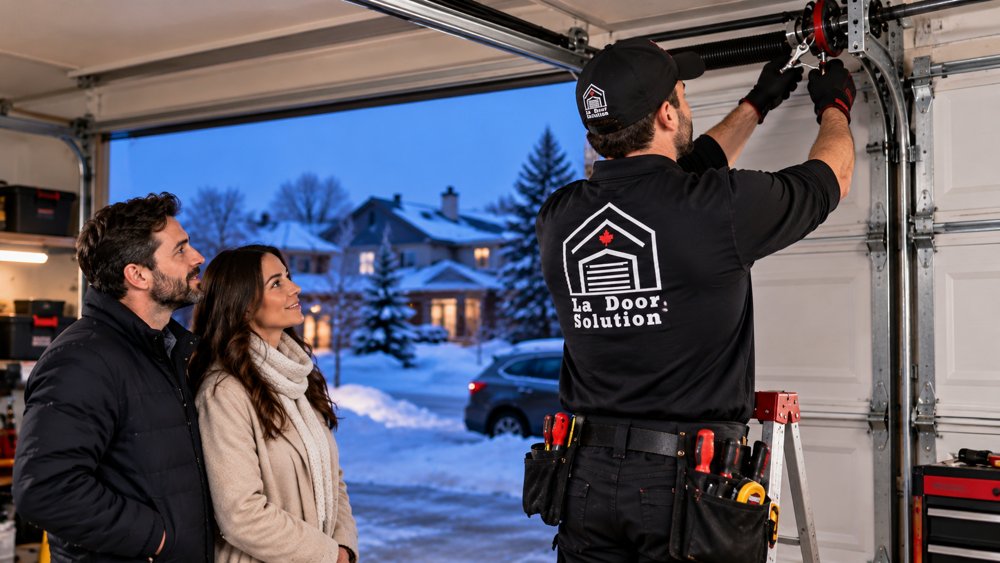
24/7 Emergency Garage Door Repair Edmonton Expert Guide

A garage door can fail at the worst possible time. It may refuse to open when you are trying to leave for work, become stuck after a late-night return home, or suddenly drop unevenly because of a broken spring or damaged cable. When this happens, waiting for a convenient appointment is not always practical.

That is where 24/7 emergency garage door repair Edmonton services can make a real difference. Emergency repair is not simply about arriving quickly. A proper response involves identifying the cause of the failure, making the area safe, completing an appropriate repair where possible, and checking that the door operates correctly before the job is finished.

24/7 emergency garage door repair Edmonton

For Edmonton homeowners, garage door problems can also be affected by seasonal conditions. Cold temperatures, snow, ice, moisture and repeated daily use can place additional stress on springs, rollers, tracks, cables and automatic openers.

Understanding which problems require urgent attention can help you avoid making the situation worse.

When Do You Need Emergency Garage Repair?

Not every garage door issue requires an emergency call. A noisy roller or cosmetic damage may be suitable for a scheduled inspection. However, some failures can create immediate security or safety concerns.

You may need emergency garage repair when:

  • The garage door is completely stuck closed
  • The door will not open or close properly
  • A spring has snapped
  • A lifting cable has come loose or broken
  • The door has come off its tracks
  • The door is hanging unevenly
  • The garage door has suddenly dropped
  • The opener operates but the door does not move
  • A vehicle is trapped inside the garage
  • The door cannot close, leaving the property unsecured
  • There is visible structural damage after an impact

A common mistake is continuing to operate the door after a major mechanical failure. If a cable is loose or a spring is broken, repeatedly pressing the opener can put additional strain on other components.

In an emergency, the priority should be safety rather than forcing the door to move.

What Causes a Garage Door Won’t Open Emergency?

A garage door won’t open emergency can have several different causes. The symptom alone does not tell you which component has failed.

For example, a homeowner may press the remote and hear the motor running but see no movement from the door. That could indicate a disconnected trolley, damaged drive mechanism, broken spring or another mechanical issue.

In another situation, the opener may be completely silent. The problem could involve the remote, wall control, power supply or opener itself.

Mechanical failures are particularly important because garage doors are heavy systems supported by springs and cables. These components are designed to counterbalance the weight of the door. When one fails, the door can become considerably harder to move safely.

A qualified technician should inspect the system rather than relying on trial and error.

Why a Garage Door Gets Stuck Closed

A garage door stuck closed can be frustrating, particularly when your vehicle is inside and you need to leave.

Several issues can cause this condition.

Broken Garage Door Springs

Springs are among the most important components in a garage door system. They help counterbalance the door's weight so that the opener and other hardware do not have to carry the entire load.

When a spring breaks, you may hear a loud bang or notice that the door suddenly feels extremely heavy.

Do not attempt to replace a torsion or extension spring without the appropriate training and equipment. Springs store substantial mechanical energy and can cause serious injuries if handled incorrectly.

Damaged or Disconnected Cables

Cables work alongside the spring system to help lift and lower the door. A frayed, broken or displaced cable can cause the door to sit unevenly or become jammed.

Operating the opener when a cable is visibly damaged can make the problem worse.

Track Problems

Bent tracks, loose hardware or an obstruction can prevent rollers from travelling smoothly. In some cases, the door may become partially open and then stop.

Trying to force the door past a damaged track can increase the damage to rollers, hinges and panels.

Opener Failure

Sometimes the door itself is mechanically sound but the automatic opener cannot operate it. Electrical faults, worn gears, sensor problems and drive-system failures can all affect opener performance.

A technician needs to determine whether the problem is with the opener or the door's mechanical components.

What Happens During 24/7 Emergency Garage Door Repair Edmonton?

A professional emergency visit should involve more than simply getting the door moving again.

The first step is generally a visual and operational assessment. The technician looks at the door, tracks, springs, cables, rollers, hinges and opener to determine what has failed.

The next step is making the area safe.

If a spring is broken, for example, the technician should not simply manipulate the door without considering the remaining tension and weight. If the door has come off its tracks, its position needs to be stabilised before attempting further work.

Once the cause has been identified, the technician can explain the repair options.

Depending on the problem, emergency work may involve:

  • Spring replacement
  • Cable repair or replacement
  • Roller replacement
  • Track adjustment or repair
  • Hinge replacement
  • Opener troubleshooting
  • Safety sensor adjustment
  • Damaged hardware replacement
  • Door alignment
  • Temporary securing of a damaged door

The final stage should include operational testing. The door should be checked for smooth movement, appropriate balance and correct opener operation.

24 Hour Garage Door Service and Edmonton Weather

Edmonton's weather can make garage door problems more inconvenient.

During winter, freezing temperatures can affect moving parts and contribute to problems involving ice, moisture and lubrication. Snow or ice around the bottom seal can also interfere with the door closing properly.

Cold weather can expose weaknesses that were already developing. A spring, roller or cable that has been deteriorating gradually may finally fail when the system is under additional stress.

Homeowners should never try to force a frozen garage door open with the automatic opener. If the bottom seal is frozen to the ground, repeatedly activating the opener can strain the system.

Instead, inspect the area carefully and remove obvious ice or snow only when it can be done safely. If the door remains stuck, professional assessment is the safer option.

How Fast Garage Door Repair Edmonton Can Prevent Bigger Problems

Speed matters during an emergency, but rushing a repair is not the goal.

The objective of fast garage door repair Edmonton should be to address the actual cause before a relatively contained problem becomes more expensive.

Consider a door with a damaged roller. If the roller is already struggling to travel through the track, continuing to use the door can place additional pressure on the track, hinges and opener.

Similarly, a door operating with a damaged cable can become increasingly unbalanced.

Getting the problem assessed early can help identify secondary damage and determine whether the door can be safely repaired or needs more extensive work.

Emergency Garage Repair After Accidental Impact

Vehicle impact is another situation where homeowners may require immediate assistance.

A vehicle can bend a garage door panel, distort the tracks or damage the supporting hardware. Even if the door still appears to move, the system may no longer be correctly aligned.

This is not a situation where repeatedly opening and closing the door is advisable.

A technician can assess:

  • Door panel damage
  • Track alignment
  • Roller condition
  • Hinges
  • Brackets
  • Cables
  • Spring system
  • Opener connection
  • Overall structural stability

Sometimes the immediate priority is securing the garage rather than completing a full restoration during the first visit.

What Homeowners Should Do Before Help Arrives

If your garage door fails unexpectedly, a few simple steps can reduce risk.

Stop Operating the Door

If you notice a broken spring, cable, severe misalignment or unusual movement, stop using the opener.

Keep People Away

Children and pets should stay away from the garage door and its operating area until the problem has been assessed.

Do Not Remove Springs

Garage door springs should not be treated like ordinary hardware. Attempting a DIY replacement without the correct knowledge and tools can be dangerous.

Check for Simple Obstructions

If the door is not closing because something is physically blocking the sensors or doorway, remove the obstruction only if it can be done safely.

Keep the Remote Available

If a technician is attending the property, having the opener remote and any relevant information available can help with troubleshooting.

Common Mistakes During an Urgent Garage Repair

When a garage door fails, homeowners understandably want to solve the problem immediately. However, some common responses can increase the damage.

Forcing the Door Open

A heavy door with a broken spring may be difficult to lift manually. Forcing it can damage other components or cause the door to fall unexpectedly.

Continuing to Use a Damaged Opener

If the opener is making unusual sounds or the door is moving unevenly, continued operation can place unnecessary stress on the system.

Adjusting Spring Tension Yourself

Spring adjustment is one of the tasks best left to a trained professional. Incorrect tension can affect both safety and door balance.

Ignoring Strange Noises

Grinding, popping, scraping and repeated clicking should not automatically be dismissed as normal garage door sounds.

A noise may be an early warning of worn rollers, loose hardware, spring problems or opener issues.

How to Choose Emergency Garage Door Service Edmonton

When selecting an emergency technician, do not judge a service solely by how quickly someone can arrive.

Ask practical questions such as:

  • What will be inspected?
  • What caused the failure?
  • Is the proposed repair temporary or permanent?
  • Which parts need replacement?
  • Are there additional components showing signs of wear?
  • What is included in the quoted price?
  • Will the system be tested after the repair?

Clear communication matters, especially when the repair is being performed outside normal business hours.

A trustworthy technician should be willing to explain the problem in understandable terms rather than pressuring you into unnecessary work.

Expert Tips for Preventing Garage Door Emergencies

Emergency failures cannot always be prevented, but routine attention can reduce the likelihood of sudden breakdowns.

Listen to the Door

Pay attention to changes in sound. A door that gradually becomes louder or starts producing grinding or scraping noises may need inspection.

Look at the Cables

Without touching them, visually check whether cables appear frayed, loose or displaced.

Watch the Door's Movement

The door should generally move smoothly and remain reasonably balanced. Jerky movement or visible tilting deserves attention.

Keep Tracks Clear

Do not store objects where they can interfere with the door's movement or safety sensors.

Schedule Professional Maintenance

A maintenance inspection can identify worn components before they fail completely. This is particularly useful for frequently used garage doors.

Emergency Garage Door Problems in Edmonton You Should Not Ignore

Some Emergency Garage Door Problems in Edmonton are obvious, such as a completely collapsed or stuck door. Others develop gradually.

Warning signs worth taking seriously include:

  • Increasingly loud operation
  • Door shaking during movement
  • Slow opening or closing
  • Repeated opener failure
  • Uneven door movement
  • Visible spring damage
  • Frayed cables
  • Rollers jumping in the track
  • Door reversing unexpectedly
  • Door refusing to stay closed

The earlier these signs are assessed, the easier it may be to prevent a complete breakdown.

When Quick Garage Repair Edmonton Is the Right Choice

A quick response is particularly useful when the garage affects your immediate mobility or home security.

For example, imagine returning home late in the evening and discovering that the garage door will not open. If your vehicle is outside and the door is blocking access, waiting several days for a routine appointment may not be practical.

Another example is a garage door that remains partially open because of a mechanical failure. Besides inconvenience, an unsecured garage can expose belongings and create additional concerns.

In situations like these, 24/7 emergency garage door repair Edmonton provides a practical way to have the problem assessed outside standard business hours.

Final Thoughts on 24/7 Emergency Garage Door Repair Edmonton

A garage door is a large mechanical system, and a sudden failure should not be treated like a minor household inconvenience. Broken springs, damaged cables, bent tracks, failed openers and impact damage can create genuine safety concerns.

The best response is to stop using a damaged system, keep people away from the affected area and have the problem professionally assessed.

Whether the issue is a garage door won’t open emergency, a garage door stuck closed situation or an unexpected mechanical failure, understanding the warning signs helps you make better decisions under pressure.

When urgent assistance is required, 24/7 emergency garage door repair Edmonton can help restore safe operation while identifying the underlying cause rather than simply masking the symptom. A careful inspection, transparent explanation and proper testing after the repair are the key parts of a reliable emergency response.

Frequently Asked Questions

How do I know if my garage door problem is an emergency?

A problem is generally urgent when the door creates a safety risk, prevents vehicle access, leaves your garage unsecured or involves a major mechanical failure. A broken spring, damaged cable, door off its tracks or severely bent door should not be operated until it has been assessed.

Can I manually open my garage door if the opener stops working?

Some garage doors can be disconnected from the automatic opener and operated manually, but this should only be attempted when the door is mechanically sound and balanced. If a spring or cable has failed, the door may be extremely heavy or unstable. In that situation, do not force it open.

What should I do if my garage door is stuck closed?

Stop repeatedly activating the opener and check for obvious obstructions if it is safe to do so. Do not attempt to adjust springs or force the door. If there is a broken spring, damaged cable, severe misalignment or another mechanical failure, professional emergency assessment is the safer approach.

How quickly can an emergency garage door repair be completed?

The time depends on the cause of the failure, the condition of the system and whether replacement parts are required. A straightforward adjustment may be relatively quick, while major mechanical damage or a replacement component can take longer. A technician should explain the expected repair process after inspecting the door.

How can I reduce the risk of another garage door emergency?

Regular maintenance is one of the best preventative measures. Watch for unusual noises, uneven movement, damaged cables, worn rollers and opener problems. Keep tracks and sensor areas clear, avoid forcing a malfunctioning door and arrange professional inspection when you notice changes in performance.

Motorcycle Key Replacement Edmonton: Expert Tips for Lost, Broken and Transponder Keys

Losing a motorcycle key is frustrating enough. Finding out that the spare key is missing too, or that the key suddenly stops turning in the ...